


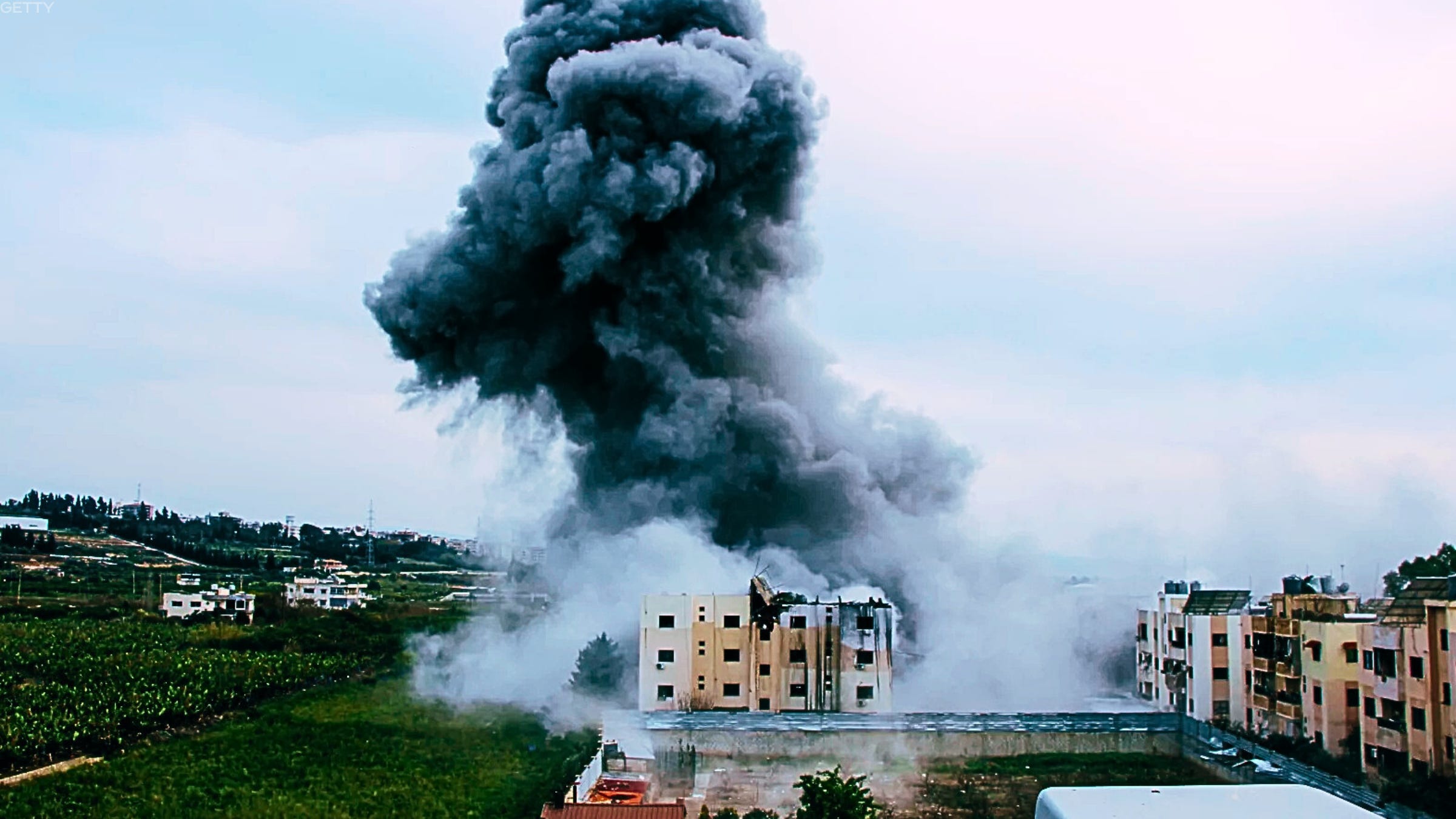
The most reliable measure of the quality of the news media’s war reporting is how much the Trump regime is freaking out about it.
Brendan Carr, chair of the Federal Communications Commission, is threatening to yank broadcast licenses if news outlets don’t cheerlead for the war.
Defense Secretary Pete Hegseth is complaining about the media’s focus on war deaths and is trying to rewrite their headlines. He’s even barring photographers from his briefings, reportedly because he finds pictures of him “unflattering.”
Donald Trump is reacting to fake online videos – including one purporting to show the aircraft carrier USS Abraham Lincoln on fire – by falsely claiming that Iran has been “working in close coordination with the Fake News Media” to show the videos and that those involved “should be brought up on Charges for TREASON.”
The regime looks thin-skinned and panicky. And indeed Trump should be alarmed because major news organizations — so far – are doing a strong job of chronicling his reckless military adventurism in the Mideast.
The Washington Post, devastated by layoffs, still managed to publish the pre-war story that the chairman of the Joint Chiefs of Staff, Gen. Dan Caine, privately warned Trump that war with Iran would carry serious risks. Trump reacted to the reporting with a highly suspect claim that Caine told him any conflict would be “easily won.”
After Trump ordered the attack on Iran, many news outlets noted his muddled rationale, including the claim that Iran’s nuclear program was an ongoing threat even though he insisted nine months ago that it was “obliterated.”
The New York Times, whose irresponsible reporting pushed the United States toward war in Iraq two decades ago, has published hard-hitting stories this time, such as:
“Wars Often Lose Public Support Over Time. Trump Started This One Without Much.”
“How Trump and His Advisers Miscalculated Iran’s Response to War”
“How the Iran War Could Raise the Cost of Gas, Food and Travel”
Other news outlets have also reported aggressively. When the Pentagon was slow to disclose U.S. injury numbers, Reuters reported that about 150 servicemembers were hurt, prompting the Pentagon to offer its own number, 140.
The U.S. media were especially strong in investigating who attacked an Iranian girls’ school, killing about 175 people, many of them children. Impressive journalism on the air strike was done by Reuters, the New York Times, NPR, Bellingcat, NBC News, and the BBC. The NYT broke the news that a preliminary Pentagon assessment put the blame on the U.S. military.
Meanwhile, Trump tried to make the world believe the Iranians killed their own schoolchildren. But no one bought it. The cover-up was so lame that usual Trump apologists Megyn Kelly and Laura Ingraham demanded real answers.
Jennifer Schulze, a media critic who was formerly news director at Chicago’s WGN-TV, had some concerns about early coverage of the war but thinks it has improved over time. “As the Trump administration makes more mistakes and tells more lies, the accountability journalism has ramped up big time,” she said. (Schulze’s excellent Indistinct Chatter newsletter featured an in-depth look at news coverage of the girls school attack.)
Americans have been poorly served by past war coverage, such as when the media bought the George W. Bush administration’s lies about Iraq in 2002 and 2003. I was an editor on the Chicago Tribune’s nation/world desk at the time, and believe me, we were skeptical, but not enough. There was a common feeling that Bush must have valid intelligence about weapons of mass destruction or he wouldn’t push so hard for war. Turns out, he didn’t.
The media’s strong initial performance this time is remarkable considering the news industry’s diminished financial resources. This White House is also much more hostile to the idea of letting reporters go where they can see things.
That’s important because independent close-up observation is the best way to evade government spin and find the facts. I learned that lesson one night in 2003 when I was editing a Tribune story about the invasion of Iraq. As our deadline neared, I saw a wire report that a British official in London had announced the fall of the city of Um Qasr.
We checked with our correspondents in the war zone.
“Don’t put that in,” said one reporter. “I’m a mile from Um Qasr and there’s still fighting going on. I can hear it.”
An important part of reporting is actually being there, rather than relying on what somebody told somebody who told somebody. That’s why it was alarming when WaPo laid off its entire Mideast staff in early February. CNN got a reporter into Iran for a few days recently; he was the only Western TV correspondent to secure a visa to report from the country.
While I’m praising the news coverage, I’m not saying all of it has been top notch.
Major media aren’t paying enough attention to how Israel’s Bibi Netanyahu manipulated Trump into the war. Early on, WaPo had a strong story about Netanyahu’s prodding, and the NYT has addressed the risks of the U.S.-Israel war alliance. But more must be written.
Schulze told me she was surprised there wasn’t more attention on how the Trump regime announced the war to the public. “America went to war and the POTUS didn’t bother to explain that to the country in a live nationwide broadcast,” she said. “Instead Trump posted two videos and started calling reporters on the phone to talk about the war. The press should have made a bigger deal out of all that.”
But in general, major U.S. media are covering the war well, in a departure from a decade in which Trump generally had his way with them. Let’s hope a desperate Trump doesn’t scare them back into timidity.
This week’s media atrocity
The story on Fox News’ website about Brendan Carr’s threat against TV networks made it seem normal for the government to tell journalists what they can report. Fox enables fascism.
ICYMI: MAHA & the Midterms
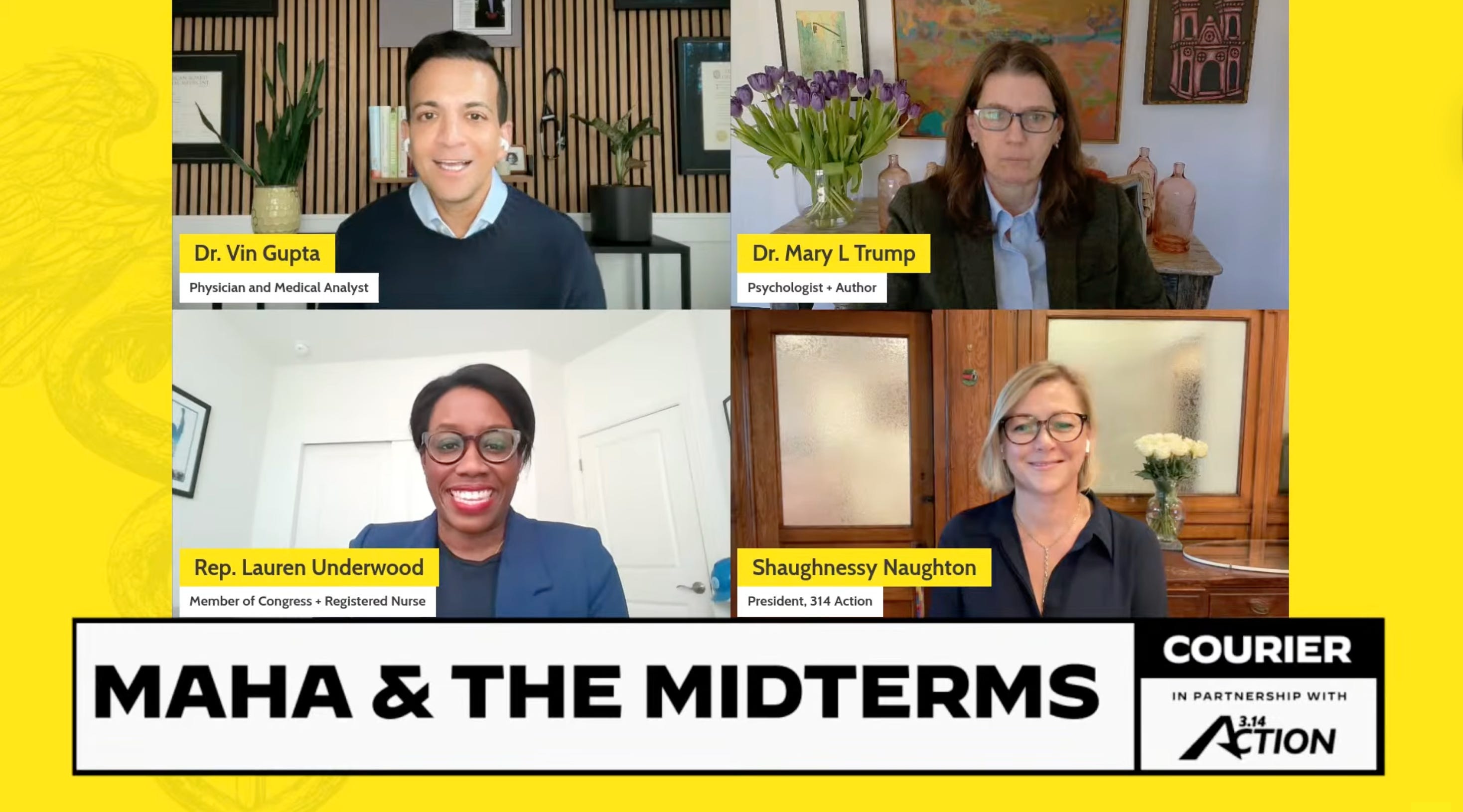
Last week, COURIER’s virtual event in partnership with 3.14 Action drew 22K+ live viewers across platforms. The event featured Hank Green, Dr. Mary Trump, Representative Lauren Underwood, Shaughnessy Naughton, and Dr. Vin Gupta discussing how misinformation and policy decisions affect healthcare access and costs in the U.S. Missed it? Watch the full replay on YouTube.
This event is part of a broader series on science, health, and public policy in American democracy. Our next conversation, Facts vs. Fiction: The Fight for Science in American Democracy, is happening Thursday, June 11. RSVP today!
Wondering if part of the recent improvement in mainstream coverage reflects some fracturing on the right--such fracturing giving permission to speak out. Listening to critics like Matt Walsh—as part of the media-analysis group “Unfortunately Not a Sound Bath”—I’m hearing more internal criticism about the war. Walsh’s broader views remain deeply undemocratic, but these splits may create space for more direct reporting and less deference.
Thanks for this. I cancelled my WaPo and NYT subscriptions due to their 2024 election coverage. I'm a paid subscriber of many independent outlets instead. But I'm thinking of re-upping my NYT subscription.